

In the complex landscape of Indian taxation, the Input Service Distributor (ISD) mechanism is critical for businesses with multiple units. Filing GSTR 6 is the primary compliance requirement for these entities.
The government has made ISD provisions mandatory beginning April 1st, 2025, under Notification No. 16/2024. This means that businesses can no longer ignore the nuances of GSTR 6. In this guide, we go over everything from eligibility to the specific table formats you need to know.
What is GSTR 6?
An Input Service Distributor submits a special monthly return called GSTR-6. It describes the Input Tax Credit (ITC) received by an ISD and how that credit was distributed to its various units (branches) using the same PAN.
Managing these distributions manually can lead to errors. Many leading enterprises now use a SAP Cockpit Solution to automate the flow of data from their ERP directly into the GST portal, ensuring 100% accuracy in credit distribution.
Key Details of GSTR 6 Filing
| Feature | Details |
| Who Files? | Every registered Input Service Distributor (ISD). |
| Frequency | Monthly (Mandatory even if it is a Nil return). |
| Due Date | 13th of the succeeding month. |
| Revision | Cannot be revised; mistakes are corrected in the next month’s return. |
Understanding GSTR-6A vs. GSTR-6
GSTR-6A is a read-only, auto-generated form. It populates based on the details provided by your suppliers in their GSTR-1.
- Note: You do not "file" GSTR-6A. You review it, make necessary additions or corrections, and those changes then flow into your GSTR-6.
For businesses dealing with high volumes of notices regarding mismatches in these forms, a GST Notice Extractor is an essential tool to quickly identify and resolve discrepancies before they escalate.
To file an accurate return, you must understand the 11 tables that constitute the GSTR-6 format:
Table 1 & 2: Basic Details
- GSTIN: The unique ID of the ISD.
- Legal Name: Auto-populated based on the GSTIN.

Table 3: Input Tax Credit Received for Distribution
This table is auto-populated from GSTR-6A. It contains invoice-wise details of all inward supplies where ITC is available for distribution.
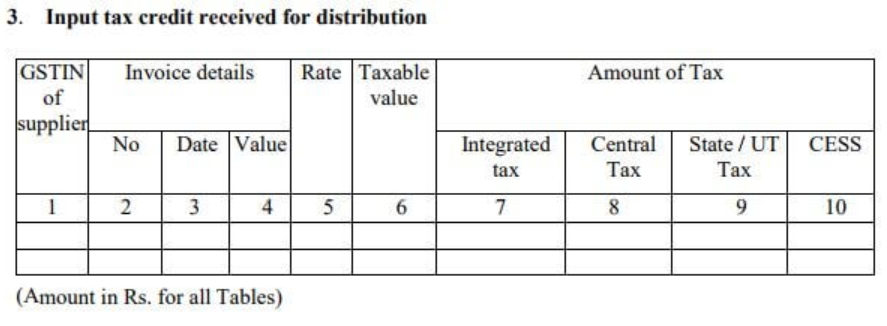
Table 4: Total ITC/Eligible ITC/Ineligible ITC
Here, the ISD declares the total amount of credit. It is segregated into:
- Eligible ITC (available for distribution)
- Ineligible ITC (e.g., related to exempt supplies)
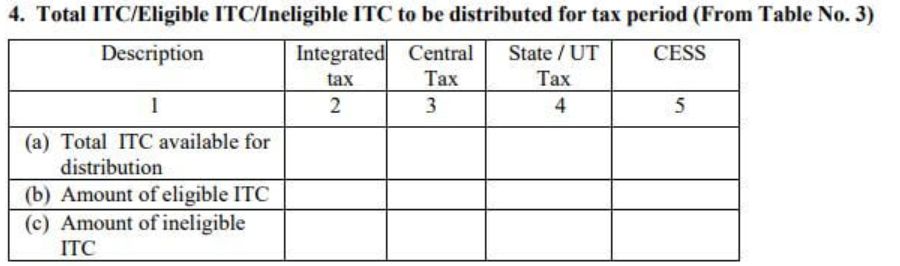
Table 5: Distribution of ITC reported in Table 4
This is the most critical section. It details how the credit is allocated to various branches (recipients). Once filed, this allows the recipients to claim the ITC in their respective GSTR-3B.
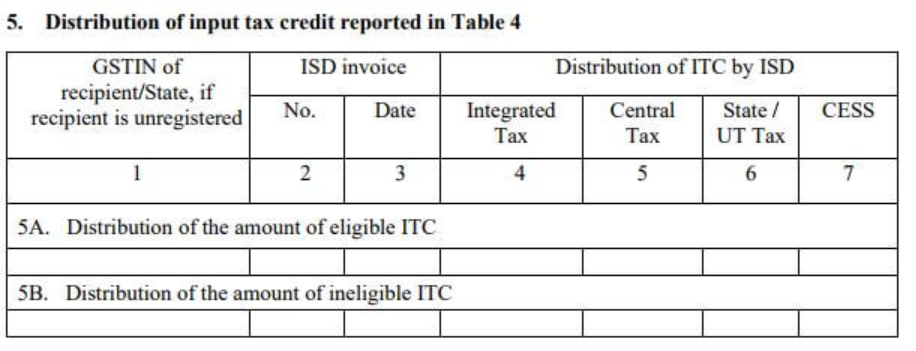
Table 6: Amendments to Table 3 (Previous Returns)
If you made an error in the invoice details of inward supplies in a previous month, you correct them here.
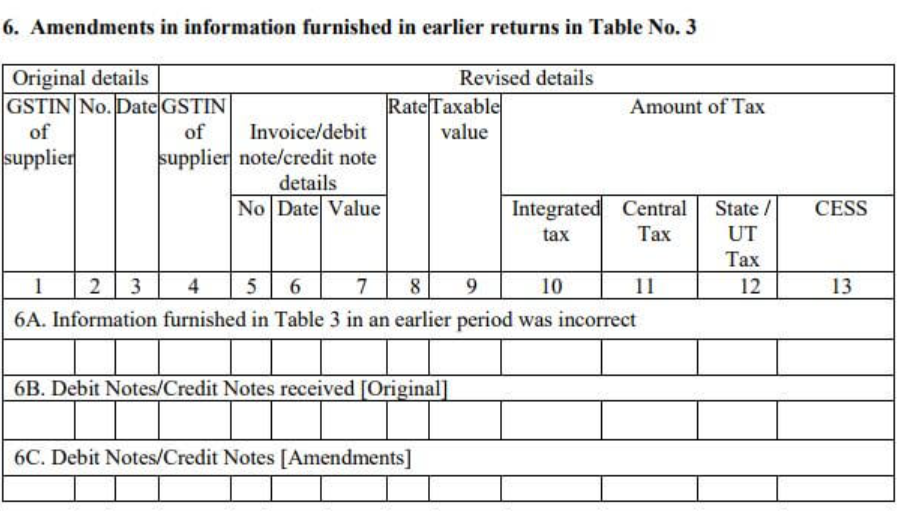
Table 7: ITC Mismatches and Reclaims
Handles changes to the total ITC due to mismatches or the reclamation of credit previously reversed.
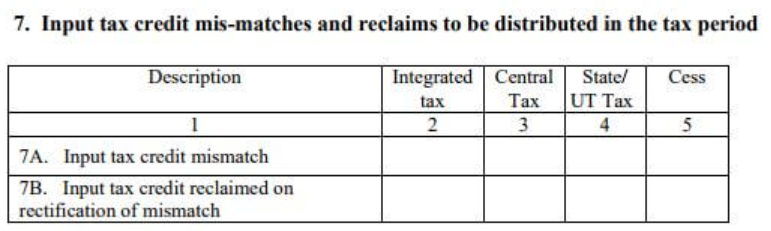
Table 8: Distribution of Amendments (Table 6 & 7)
Any changes made in Table 6 or 7 that affect the amount distributed to branches are captured here as a plus or minus entry.
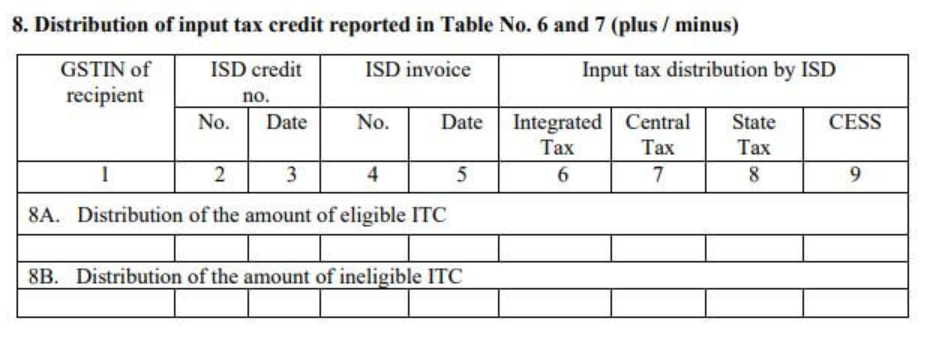
Table 9: Redistribution of ITC (Wrong Recipient)
If credit was accidentally distributed to Branch A instead of Branch B in a previous return, Table 9 allows for the correction of that distribution.
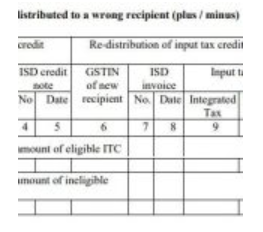
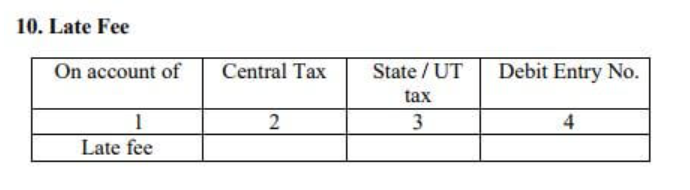
Table 10 & 11: Late Fees and Refunds
- Table 10: Details of late fees paid (currently ₹50/day for late filing, subject to changes).
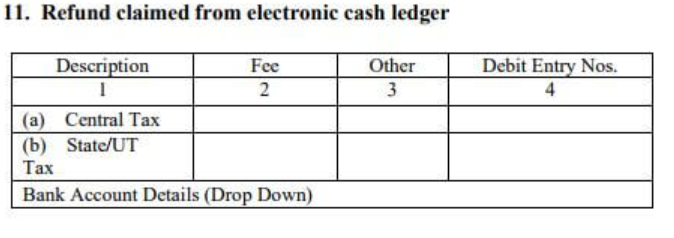
- Table 11: Details of any refund claimed from the electronic cash ledger.
Why Automation is No Longer Optional
With the 2025 mandate requiring ISD provisions, the volume of data reconciliation between GSTR-1, GSTR-6A, and GSTR-6 will skyrocket.
Manual filing is prone to "mismatch notices." By integrating a SAP Cockpit Solution, your tax team can reconcile data in real-time within the SAP environment. Furthermore, if you receive inquiries from the department, using a GST Notice Extractor ensures you can respond with data-backed evidence in minutes.
Sepfust also have GSTR6 SAP Cockpit Solutions which makes the entire ISD Return automation within your SAP, making it easy for your team to handle and secure.
Conclusion
GSTR 6 is more than just a reporting requirement; it serves as a mechanism to ensure that the tax paid on input services benefits your entire organization. Audit your ISD processes today to stay ahead of the April 2026 deadline.
Sepfust is a leader in tax automation, specializing in SAP Cockpit solutions that bridge the gap between ERP systems and GST compliance. From AI-driven GST Notice Extractors to seamless ITC reconciliation, Sepfust empowers enterprises to eliminate manual errors and streamline complex tax workflows.

Kunal Jaitly
Kunal Jaitly is a seasoned Tax-Technology leader with over 20+ years of experience spanning Taxation, Finance, and ERP-driven automation. With a strong Big 4 consulting background, Kunal has led and delivered large-scale tax and compliance transformation programs for enterprises across industries.
As the Founder of SEPFUST, he brings deep domain expertise and a practitioner’s mindset to building SAP-native and cloud-based automation solutions that simplify compliance, enhance accuracy, and unlock the true potential of enterprise systems. His work bridges the gap between complex tax regulations and scalable technology, enabling organizations to move from manual processes to intelligent automation.